Chess NotesEdward WinterC.N. 11763 (15 March 2020) announced: ‘Owing to other commitments, it will be necessary for us to curtail the posting of new C.N. items as from the end of March 2020. Thereafter, additions to the main C.N. page and to feature articles will be possible only occasionally.’ If contacting us by e-mail (ewinter@sunrise.ch), correspondents need to include their name and full postal address. |
|
|
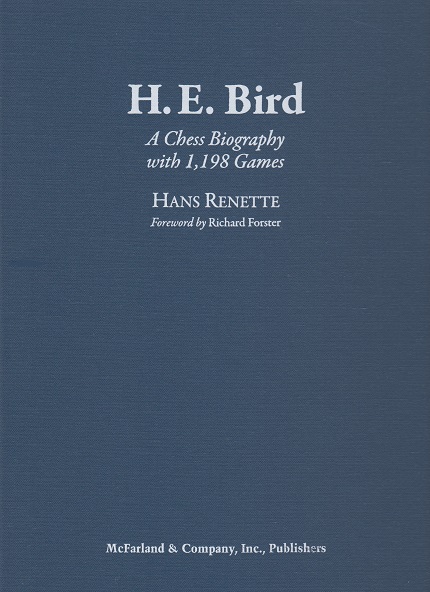
Our latest feature article is McFarland Chess Books.
For pondering
‘Although Lasker remained my idol, Capablanca’s games taught me technique and enabled me, at age 17, to become a master.’
Source: P. Benko, Winning with Chess Psychology by P. Benko and B. Hochberg (New York, 1991), page 157. C.N. 11221. See Pal Benko (1928-2019).
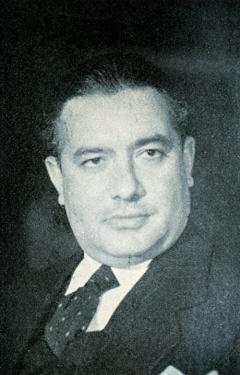
11973. Announced matesZachary Saine (Amsterdam) asks how the practice of Announced Mates arose. 11974. Cyril Pustan (1929-77)Willibald Müller (Munich, Germany) draws our attention to a 1967 East German film Die gefrorenen Blitze, with particular reference to ‘Cyril Pustan, the second husband of Bobby Fischer’s mother’: We add that the University of Bradford states:
11975. The most spectacular queen sacrificeFrom Richard Forster (Winterthur, Switzerland):
11976. Alekhine and CapablancaOur new feature article on Sir George Thomas does not yet include a famous observation attributed to him, because we currently lack a verifiable source. From page 161 of The Unknown Capablanca by David Hooper and Dale Brandreth (London, 1975):
From page 77 of Capablanca’s Best Chess Endings by Irving Chernev (Oxford, 1978):
11977. Staunton and religionJohn Townsend (Wokingham, England) writes:
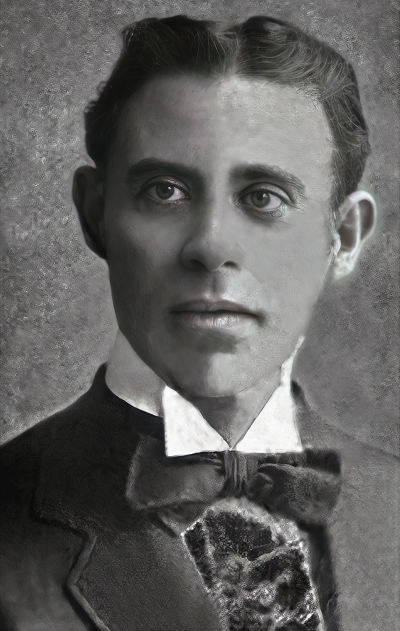
11978. Cecil De VereAlso from Mr Townsend:
Illustrations of the chessplayer are rare. Below is a detail of the Redcar, 1866 group photograph in C.N. 5614: 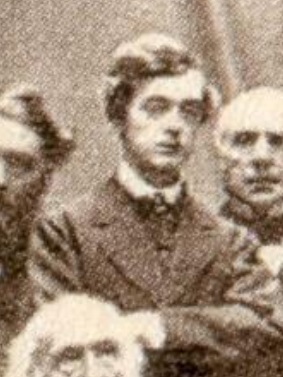 11979. CopyingFour recent additions to Copying: 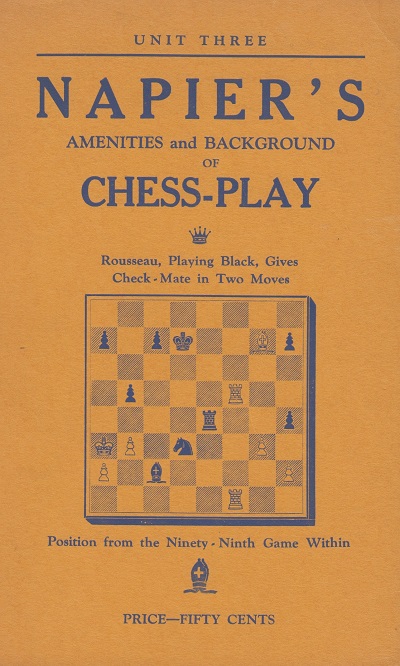 The entirety of our compilation of quotations from the three volumes of W.E. Napier’s Amenities and Background of Chess-Play has been copy-pasted, without acknowledgement, on a chessgames.com page. There is an Alchetron page which helps itself to various illustrations from our Sultan Khan article. That makes it convenient for the chessgames.com page on him to be illustrated as follows: 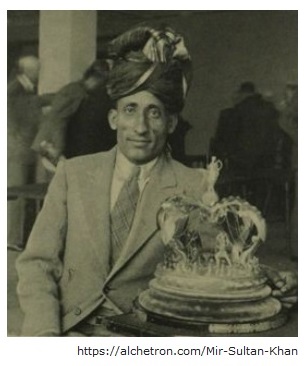 The Bill Wall method: ransacking our work on Capablanca, without credit, and giving worthless, partial sources. The ChessBase contributor Davide Nastasio has been lifting a huge number of C.N. photographs (about 80 in the past week alone), without credit, acknowledgement or authorization, for his personal X/Twitter page. 11980. Chess clubsThe first episode of a new PBS television series, Today in Chess, refers to ‘the chess capital of the US, Saint Louis, Missouri’. Through the munificence of Rex Sinquefield, the Saint Louis Chess Club is often described, without contradiction, as the greatest chess club in the United States. What comparable chess clubs (whether in terms of premises, opulence, membership, activity or any further criteria) exist in other countries? In short, if the Saint Louis Chess Club were described as the greatest in the world, would any clubs have a legitimate grievance? This photograph of the Saint Louis Chess Club was taken for us on 12 February 2024 by Yasser Seirawan: 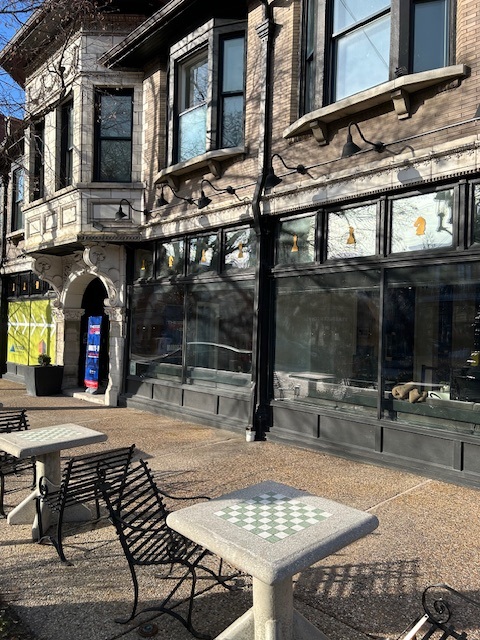 11981. Menchik v Mieses (C.N. 3687)
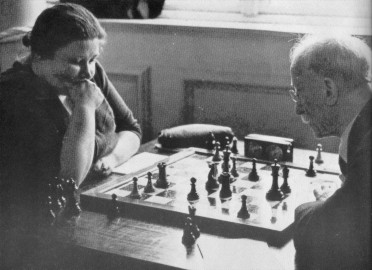
This photograph by Erich Auerbach from The Quiet Game by J. Montgomerie (London, 1972) was shown in C.N. 3687, with the question of when it was taken. From Philip Jurgens (Ottawa, Canada):
11982. Georg MarcoC.N. 4855 reported a remark by Wolfgang Heidenfeld on page 190 of The Encyclopedia of Chess by Harry Golombek (London, 1977):
That is not the only C.N. item in which relevant quotations from Marco’s writings have been solicited, without tangible results; see also C.N.s 5248, 7819 and 11380. Examples of Heidenfeld’s own brilliance and wit could, and perhaps should, be compiled, but Marco deserves priority. Can readers assist? 11983. J. Baca-Arús
Jaime Baca-Arús (C.N. 11881) Further to The Capablanca v Price/Baca-Arús Mystery, Yandy Rojas Barrios (Cárdenas, Cuba) has been looking for games played by Jaime Baca-Arús, and he offers the following: Jaime Baca-Arús – René Portela 1 e4 e5 2 d4 exd4 3 c3 dxc3 4 Bc4 cxb2 5 Bxb2 Qe7 6 Nc3 Nf6 7 Nge2 Nxe4 8 O-O Nxc3 9 Nxc3 Qc5 10 Re1 Be7 11 Nd5 Nc6 12 Nxc7 Kd8 13 Nxa8 Qxc4 14 Rc1 Qb4 15 Qc2 Bf6 16 Bxf6 gxf6 17 Qf5 Qd4 18 Rcd1 Qc3 19 Rc1 Ne7 20 Qf4 Nd5 21 Qd6 Qd4 22 Qb8 Ne7 23 Rxc8 Resigns. Source: El Fígaro, 10 March 1912, page 138. Jaime Baca-Arús – E.C. de Villaverde 1 e4 e5 2 Nf3 d6 3 Nc3 Be7 4 d4 exd4 5 Nxd4 Nf6 6 f4 c5 7 Nf3 O-O 8 Bd3 a6 9 O-O b5 10 b3 Bb7 11 Ng5 h6 12 Kh1 b4 13 Nd5 Nxd5 14 exd5 hxg5 15 Qh5 g6 16 Bxg6 fxg6 17 Qxg6 Kh8 18 Bb2 Bf6 19 Rf3 g4 20 Qh5 Kg8 21 Qxg4 Bg5 22 Qe6 Rf7 23 fxg5 Qe7 24 Qg6 Kf8 25 Raf1 Bxd5 26 Rxf7 Bxf7 27 Qf5 Kg8 28 g6 Be6 29 Qh5 Resigns. Source: El Fígaro, 21 April 1912, page 238. Jaime Baca-Arús – René Portela 1 d4 d5 2 c4 e6 3 Nc3 c5 4 cxd5 exd5 5 Nf3 Nc6 6 g3 Nf6 7 Bg2 cxd4 8 Nxd4 Qb6 9 Nxc6 bxc6 10 O-O Ba6 11 Qa4 Bb5 12 Nxb5 cxb5 13 Qb3 Rd8 14 Bg5 Be7 15 Bxf6 Bxf6 16 a4 O-O 17 axb5 Rfe8 18 Bxd5 Rxe2 19 Bxf7 Kh8 20 Rad1 Rxb2 21 Rxd8 Qxd8 22 Rd1 Qb6 23 Qe3 Qxe3 24 fxe3 Rxb5 25 Rd7 a5 26 Rd5 Rxd5 27 Bxd5 a4 28 Kg2 g6 29 Kf3 Kg7 30 h4 Kf8 31 Kf4 Ke7 32 Ke4 Kd6 33 Ba2 Kc5 34 Kd3 Kb4 35 Kc2 a3 36 Kd3 h5 37 Kc2 Be5 38 Bf7 Drawn. Source: Capablanca Magazine, 31 July 1912, page 108. Jaime Baca-Arús – Gustavo Fernández 1 e4 e5 2 d4 exd4 3 c3 dxc3 4 Bc4 cxb2 5 Bxb2 Qe7 6 Nc3 c6 7 Nge2 b5 8 Bxb5 cxb5 9 Nxb5 Qb4 10 Nec3 Qc5 11 Qd5 Qxd5 12 Nxd5 Na6 13 O-O Rb8 14 a4 Bb7 15 Rfe1 Bc6 16 Bd4 Nf6 17 Bxa7 Rb7 18 Bd4 Bb4 19 Reb1 Bxd5 20 exd5 O-O 21 d6 Ne4 22 f3 Nd2 23 Rxb4 Nxb4 24 Bc3 Nb3 25 Rb1 Nd5 26 Rxb3 Nxc3 27 Rxc3 g6 28 Rc7 Rb6 29 Rxd7 Ra8 30 Rc7 Kf8 31 d7 Ke7 32 Na7 Rab8 33 Nc6 Kd6 34 Rc8 Kxd7 35 Rxb8 Rxc6 36 Rb7 Rc7 37 Rxc7 Kxc7 38 Kf2 Kb6 39 Ke3 Ka5 40 Kf4 Kxa4 41 Ke5 f5 42 g4 Resigns. Source: El Fígaro (Ajedrez Local, Juan Corzo), 19 April 1914, unnumbered page. Jaime Baca-Arús – M.A. Carbonell 1 e4 c6 2 d4 d5 3 Nc3 dxe4 4 Nxe4 Nf6 5 Nxf6 exf6 6 Nf3 Bd6 7 Bd3 Bg4 8 O-O O-O 9 c3 Qc7 10 h3 Bh5 11 c4 Rd8 12 c5 Bh2 13 Kh1 Bf4 14 Be3 g5 15 g4 Bg6 16 Bxg6 hxg6 17 Qd3 Nd7 18 b4 Kg7 19 Rad1 Rh8 20 Kg2 Rad8 21 Rh1 b6 22 Bxf4 Qxf4 23 Qe3 Qb8 24 d5 Rhe8 25 Qc3 cxd5 26 Rxd5 bxc5 27 bxc5 Qc7 28 Rhd1 Nb8 29 Rxd8 Rxd8 30 Rxd8 Qxd8 31 Nxg5 Qd5 32 Nf3 Nc6 33 g5 Ne5 34 gxf6 Kxf6 35 c6 Ke6 36 Qxe5 Resigns. Source: Diario de la Marina, 13 December 1931, page 18. Biographical and other information is still being researched by our correspondent and will be added in due course. 11984. Anything is good enoughAs quoted in C.N. 876 (see Book Notes), Charles W. Warburton wrote the following on page 42 of My Chess Adventures (Chicago, 1980) in a discussion of the Caro-Kann Defence:
Countless masters are purportedly ‘known’ to have said countless things, but in this case we can at least cite a vague attribution from Lasker’s heyday. On pages 516-517 of the December 1898 BCM J.H. Blake annotated Tarrasch v Halprin, Vienna, 1898, which began 1 d4 d5 2 c4 e6 3 Nc3 Nf6 4 Bg5 Be7 5 Nf3 h6 6 Bf4 dxc4 7 e3 Nd5 8 Be5 f6 9 Bg3 Bb4 10 Qc2 b5 11 a4 c6 12 axb5 cxb5 13 e4. After 8 Be5, Blake wrote:
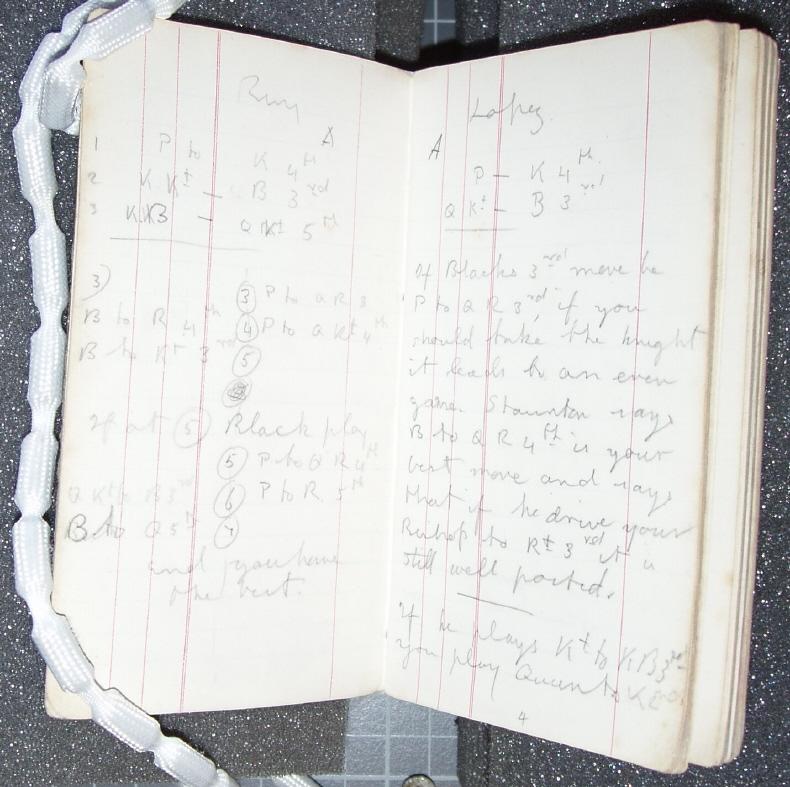
11985. Backward moves and empty squaresInstruction manuals sometimes note the difficulty of visualizing a) sacrifices on empty squares and b) backward moves by pieces. Who first made such observations in print? Also requested: practical examples (the less well known, the better). 11986. Rupert Brooke’s notebookIt is still not proving possible to find out more about the texts included in the notebooks (circa 1902-04) of Rupert Chawner Brooke (1887-1915), as shown in our feature article on him. For example:
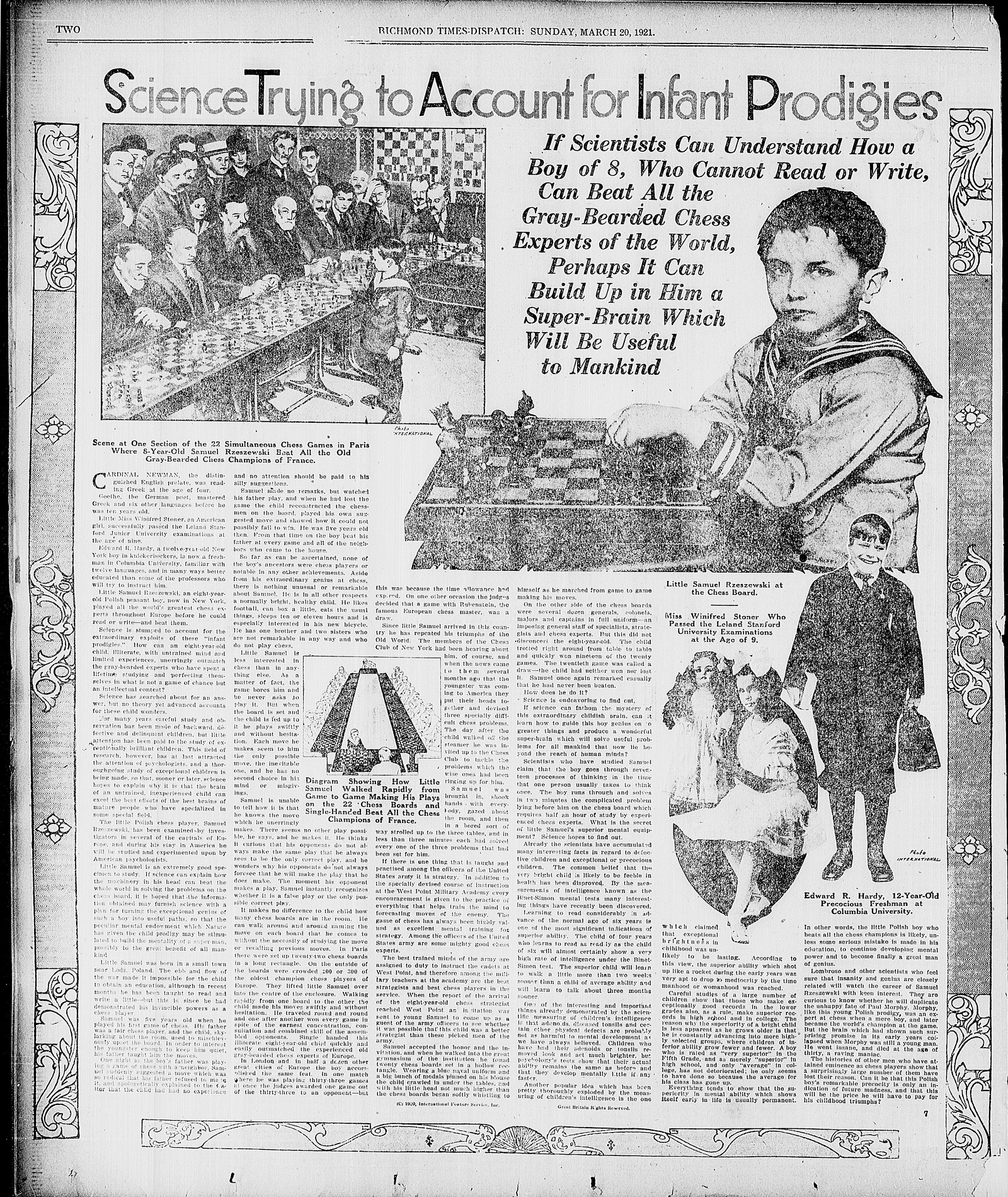
We observed that Brooke appeared to be copying openings material from a book or magazine, and that the reference to Staunton related to remarks originally published on page 148 of his Handbook (London, 1847). Can nothing further be found? 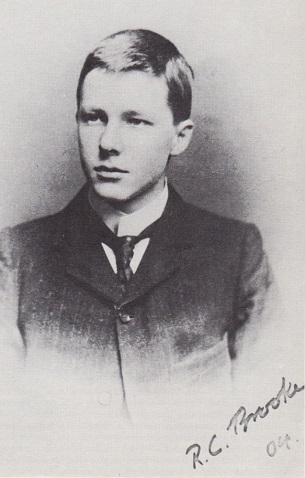 From page 69 of Rupert Brooke by Michael Hastings (London, 1967) 11987. Samuel ReshevskyAvital Pilpel (Haifa, Israel) sends, courtesy of Herbert Halsegger, a feature about the prodigy Reshevsky on page 2 of part 6 of the Richmond Times-Dispatch, 20 March 1921: 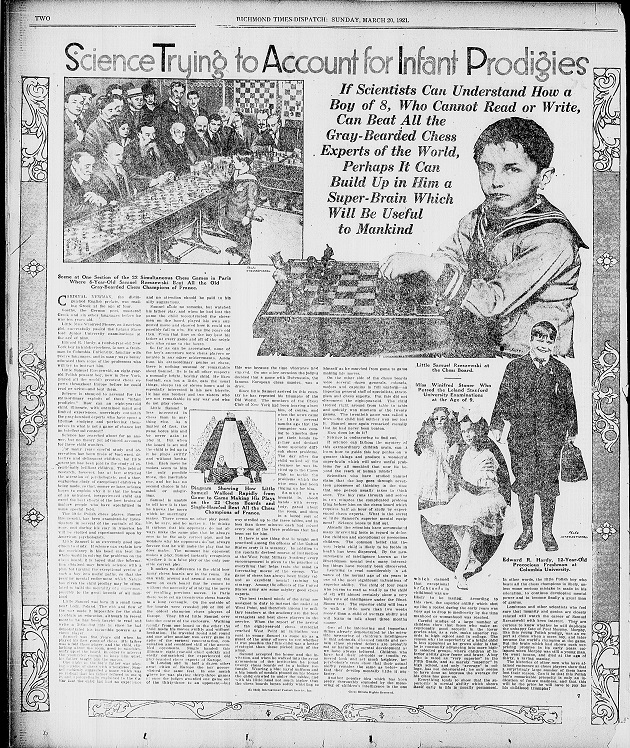 11988. PreparationWanted: little-known accounts by masters of their chess preparations for important tournaments and matches. 11989. Steinitz and SéguinOur recent feature article Wilhelm Steinitz Miscellanea quotes remarks such as the following by Steinitz about James Séguin, on page 86 of the International Chess Magazine, April 1888: ‘And I mean to devote to the task [i.e. exposing the alleged dishonesty of James Séguin], if necessary, the space of this column for the next 12 months, or for as many years, in case of further literary highway robberies perpetrated by the same individual, and provided that I and this journal survive, in order to statuate for all times, or as long as chess shall live, an example that the only true champion of the world for the last 22 years (I may say so for once), who has always defended his chess prestige against all-comers, has also a true regard for true public opinion, and that he can defy single-handed all the lying manufactories of press combinations to show any real stain on his honor; and that he can convict and severely punish any foul-mouthed editor who, like the shystering journalistic advocate of New Orleans, attempts to rob him of his good name outside of the chess board.’ Has there been a trustworthy investigation of Steinitz’s objections concerning Séguin? 11990. The Thomas familyAs a supplement to Sir George Thomas, John Saunders (Kingston upon Thames, England) submits this report from page 9 of the Morning Post, 22 June 1895: 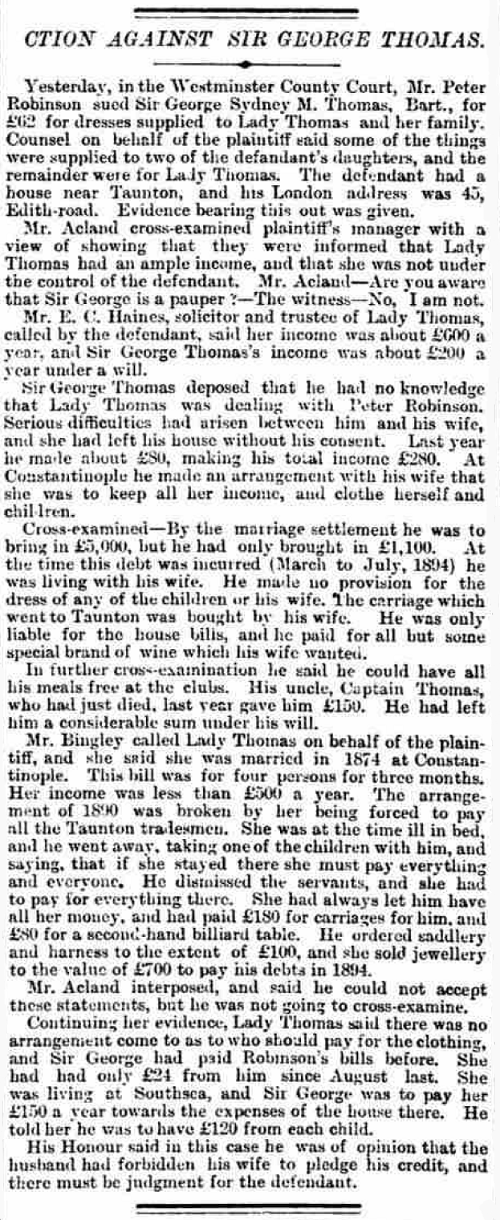 Our correspondent is the Webmaster of BritBase – British Chess Game Archive. 11991. Difficult to visualize (C.N. 11985)In addition to backward moves and sacrifices on empty squares, there can be difficulty in seeing collinear moves, as discussed, with examples, in C.N. 4230 and 4233. Those items are in our feature article on the originator of the term, John Nunn. 11992. Staunton and MorphyThe text of C.N. 11939:
The ball still stubbornly stationary, we now approach the issue from a fresh angle (‘prêcher le faux pour savoir le vrai’). Let it be imagined that, excluding Morphy’s blindfold displays, a chess author were to write:
What facts could be put forward to refute that imaginary chess author’s assertion? 11993. Staunton correspondenceFrom John Townsend (Wokingham, England):
11994. Excuses
Anyone using a search-engine for that remark, or a slightly different wording, will be presented with countless webpages. Most ascribe the comment to Tarrasch, some to Tartakower, and none to a precise source. In print, it is no surprise to find A. Soltis writing the following sourcelessly on page 11 of Chess Life, June 1990:
An earlier version was related by Harry Golombek on
page 91 of the April 1953 BCM in a report on
that year’s tournament in Bucharest, at which he ‘had
a really dreadful phase’:
Readers may care to imagine themselves entrusted with editing a chess quotations anthology. What to do with this ‘final word on excuses’? Omit it owing to the lack of a source? Give in detail the various versions and attributions? Plump and hope for the best (the process described in C.N. 9887)? An attempt may first be made to establish when, if ever, Tartakower or Tarrasch lost five consecutive tournament games, and when the story was first attributed to, if not voiced by, either of them. See also Excuses for Losing at Chess. 11995. PhotographsOlimpiu G. Urcan (Singapore) has provided this photograph of Bogoljubow and Rubinstein which he owns. Exact details of the occasion are sought. 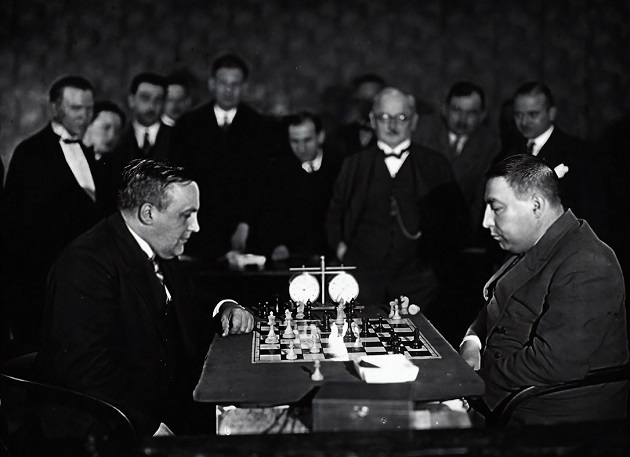 Mr Urcan has also sent us this 1976 photograph of Tony Miles (Camera Press Archive): 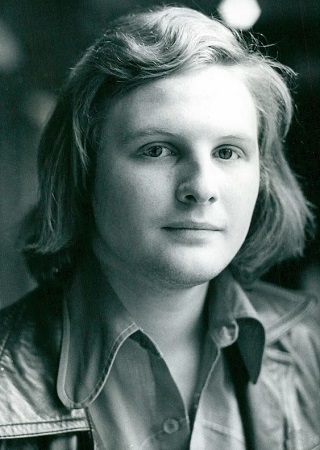 11996. Staunton and Morphy (C.N. 11992)Jerry Spinrad (Nashville, TN, USA) informs us that the only simultaneous display by Staunton which he has seen mentioned in the Chess Player’s Chronicle is a very small one at the Rock Ferry Chess Club (July 1853 issue, pages 217-218): After supper and speeches the games were resumed, but the report did not specify the outcome. On Morphy, Jerry Spinrad and John Townsend (Wokingham, England) refer to a simultaneous display which is well known. Mr Townsend writes:
Those reports, one display apiece by Staunton and Morphy, are all that can currently be cited here, although the following may be recalled from C.N. 10423 (concerning Morphy after his match with Anderssen):
Source: page 274 of Keene On Chess by R. Keene (New York, 1999). The identical wording was on page 275 of Complete Book of Beginning Chess by R. Keene (New York, 2003). 11997. Rook ending noteJoão Pedro S. Mendonça Correia (Lisbon) draws attention to this annotation on page 217 of the Caissa Editions translation (Yorklyn, 1993) of Tarrasch’s book on St Petersburg, 1914 and wonders whether any personal acrimony underlies the reference to billiards: 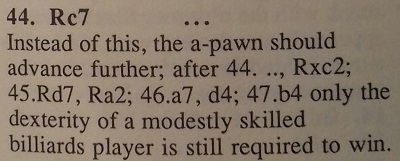 From the original German edition (page 151): 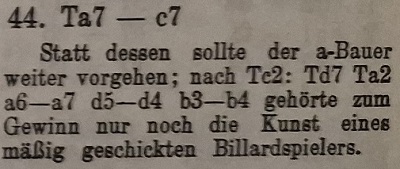 The game was Capablanca v Marshall in round four of the final section: 1 e4 e5 2 Nf3 Nf6 3 Nxe5 d6 4 Nf3 Nxe4 5 Qe2 Qe7 6 d3 Nf6 7 Bg5 Be6 8 Nc3 h6 9 Bxf6 Qxf6 10 d4 Be7 11 Qb5+ Nd7 12 Bd3 g5 13 h3 O-O 14 Qxb7 Rab8 15 Qe4 Qg7 16 b3 c5 17 O-O cxd4 18 Nd5 Bd8 19 Bc4 Nc5 20 Qxd4 Qxd4 21 Nxd4 Bxd5 22 Bxd5 Bf6 23 Rad1 Bxd4 24 Rxd4 Kg7 25 Bc4 Rb6 26 Re1 Kf6 27 f4 Ne6 28 fxg5+ hxg5 29 Rf1+ Ke7 30 Rg4 Rg8 31 Rf5 Rc6 32 h4 Rgc8 33 hxg5 Rc5 34 Bxe6 fxe6 35 Rxc5 Rxc5 36 g6 Kf8 37 Rc4 Ra5 38 a4 Kg7 39 Rc6 Rd5 40 Rc7+ Kxg6 41 Rxa7 Rd1+ 42 Kh2 d5 43 a5 Rc1 44 Rc7 Ra1 45 b4 Ra4 46 c3 d4 47 Rc6 dxc3 48 Rxc3 Rxb4 49 Ra3 Rb7 50 a6 Ra7 51 Ra5 Kf6 52 g4 Ke7 53 Kg3 Kd6 54 Kf4 Kc7 55 Ke5 Kd7 56 g5 Ke7 57 g6 Kf8 58 Kxe6 Ke8 59 g7 Rxg7 60 a7 Rg6+ 61 Kf5 Resigns. Tarrasch also criticized 46 c3, appending a question mark. Below is the position after White’s penultimate move, 60 a7: 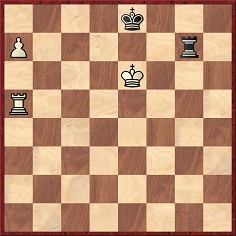 Tarrasch called Marshall’s 60...Rg6+ a Racheschach. It is not a ‘spite check’ strictu sensu, given that two of the three possible king moves by White lose. 11998. A difficult rook endingOn 25 March 2024 Ben Finegold posted on his YouTube channel a game with a complicated rook ending submitted by a viewer. Afterwards, starting at 13’17”, Finegold drolly commented that most games from viewers had seven blunders by one side and eight by the other. C.N. 7228 gave two pre-Tartakower (1890 and 1901) occurrences of the observation that the winner is the player who makes the last mistake but one, but information is still sought on when it was first attached to Tartakower’s name, or to that of other masters. In the latter category, Barnie F. Winkelman wrote on page 205 of Chess Review, September 1935:
With terms like ‘is reported to have said’ (and ‘reportedly said’), the floodgates are open for anyone to write anything. 11999. Chess Book ChatsAs recorded in the Factfinder, we have referred to Michael Clapham’s website Chess Book Chats. In the past month it has been updated with some more first-class articles. 12000. My SystemAs shown in Nimzowitsch’s My System, C.N. 9792 remarked:
Now we note that Russell Enterprises, Inc. has just produced a ‘FastTrack Edition’ of My System, edited by Alex Fishbein. 12001. The Pride and Sorrow of ChessWith the increase in digitized publications it can be hoped that more nineteenth-century occurrences will be found of ‘The Pride and Sorrow of Chess’. At present the earliest citations that we have given are:
12002. A remark by Purdy (C.N.s 10171 & 10182)Still also being sought: the source of the following annotation by C.J.S. Purdy:
12003. The Club Argentino de Ajedrez (C.N.s 11330, 11341 & 11349)Some further photographs provided to us by Carlos León Cranbourne (Buenos Aires): 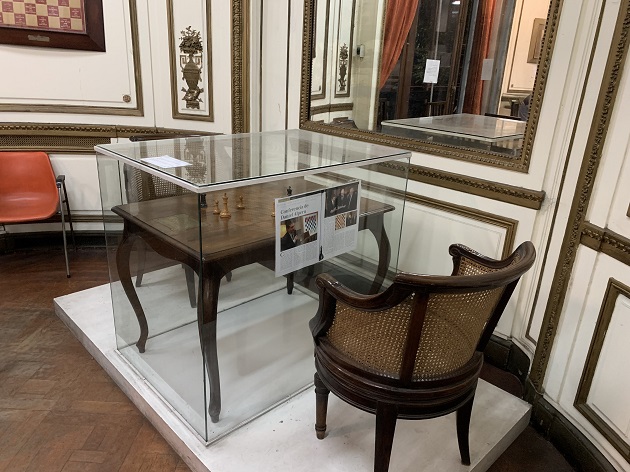 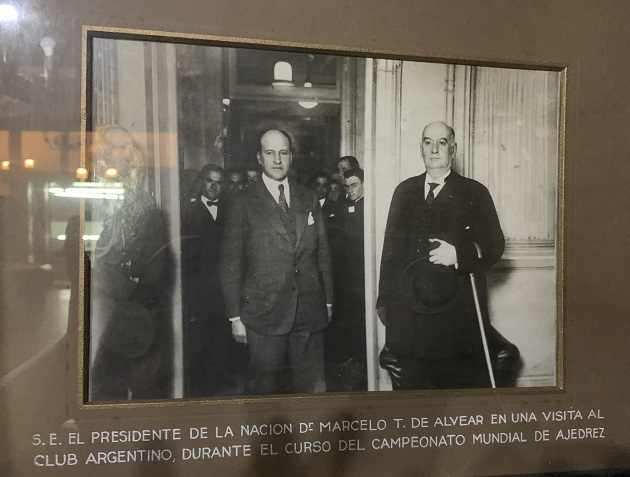 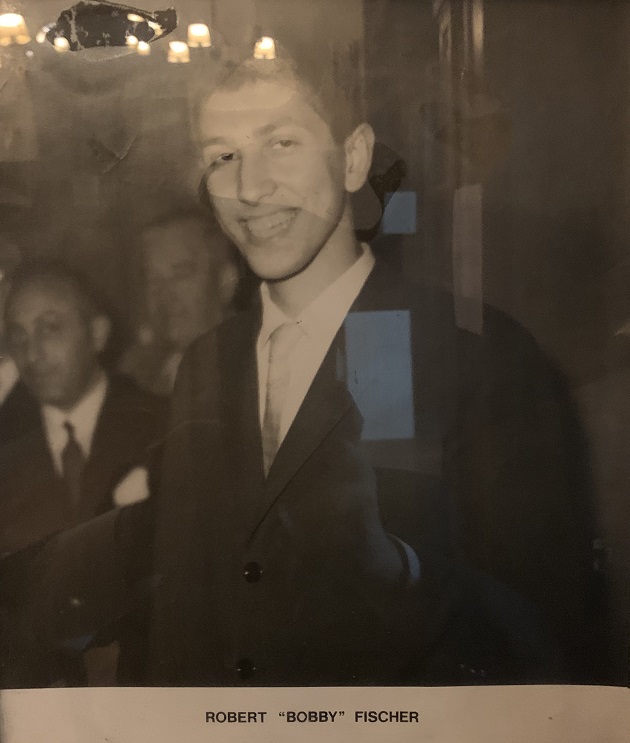 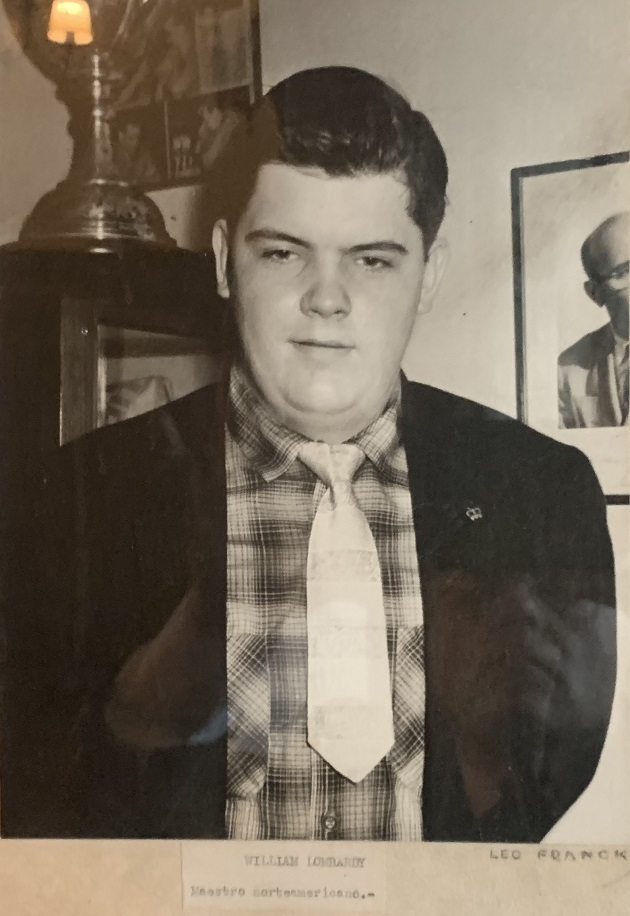 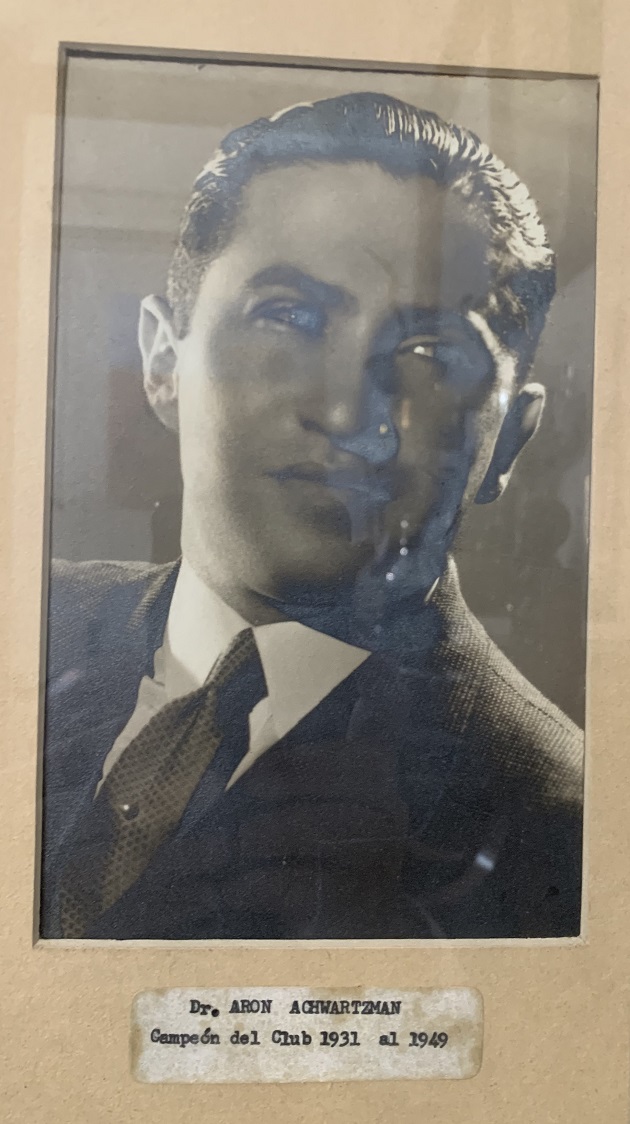 12004. HangingThere is a difference between ‘hanging pawns’ and ‘pawns hanging’, and we wonder how far back one can trace the verb ‘to hang’ in the sense of to leave en prise or to leave a resource open to the opponent, as in expressions such as White ‘hung a rook’, ‘left his queen hanging’ or, indeed, ‘left a mate in one hanging’. 12005. Announced mates (C.N. 11973)We are grateful to Robert John McCrary (Columbia, SC, USA) for making an initial search for early references to announced mates. It may seem logical to assume that correspondence chess gave an impetus to the practice, to limit postage outlay, but hard facts are still lacking. Our correspondent draws attention to page 220 of Volume II of the Chess Player’s Chronicle, which includes this:
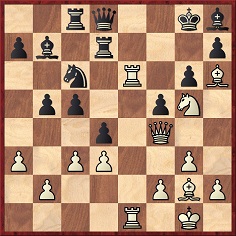
12006. Vienna, 1922From Avital Pilpel (Haifa, Israel):
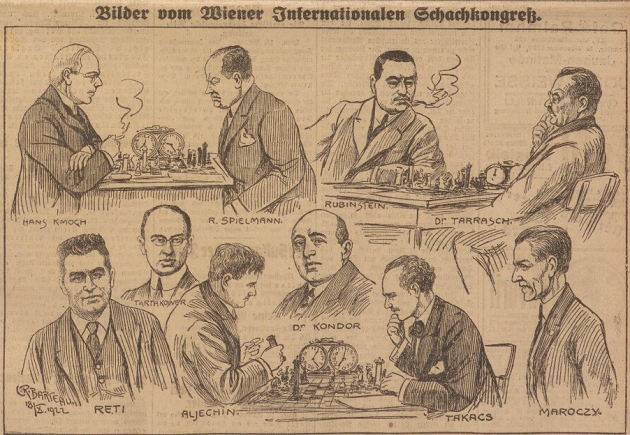 |

Copyright Edward Winter. All rights reserved.